
Knee Osteoarthritis – one of the most common reasons patients visit traumatologists at the Rudenko Medical Center.
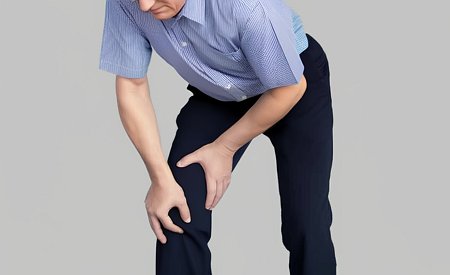 In cases of degenerative processes in the knee joint, patients often ignore pain and limited mobility for too long and only visit a doctor when the pain begins to interfere with their daily life.
When walking to work, using stairs, or even sleeping becomes unbearable due to pain that, as it progresses, can also occur at night and disrupt sleep.
“I thought it would go away on its own,” “it lasted a few days,” “it hurts a little and then stops” – these are stories that are heard in our specialists’ offices daily, without exaggeration.
Knee osteoarthritis is not ordinary fatigue, but a chronic degenerative-dystrophic process that has no reversal, and without proper therapy, it relentlessly progresses. The health of the joint surfaces cannot be restored; everything that is destroyed cannot be rebuilt. However, it is possible to protect and preserve them if you seek help from the Rudenko Medical Center in time. Our specialists’ professional approach guarantees a significant slowing of degenerative processes in the joints and the ability to maintain their mobility for a long time.
When should you suspect osteoarthritis and schedule a visit to a traumatologist at the Rudenko Medical Center?
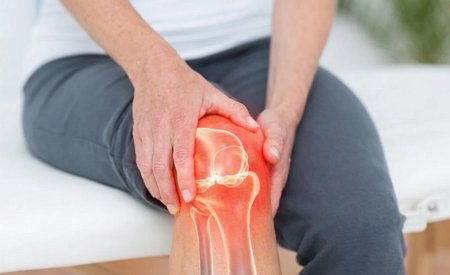
- The knee hurts during physical activity and at rest
- You need to find a comfortable sleeping position
- Swelling of the joint appears and disappears on its own, or you hear a crackling sound in it
- Movements are limited, especially during complex motions with increased axial load on the limb
Recognize yourself? This is a signal that structural changes are developing in the joint that require a specialist's attention.
Being healthy requires effort
The future of your joints depends on the choices you make today.
What to do and how to slow down the progression of knee joint changes if you have this diagnosis? The doctors at the Rudenko Medical Center emphasize that timely intervention helps avoid complicated forms of osteoarthritis and prolonged periods of exacerbation, which not only significantly reduce your quality of life but also inevitably lead to loss of functional capacity. Fighting degenerative changes in the knee joints is possible, but only with full cooperation between the doctor and the patient. Discipline, responsibility, and gradual progress are the key principles for achieving successful outcomes in managing this condition.
Lifestyle modification – the foundation of therapy
It is no secret that the health of our joints largely depends on a healthy lifestyle.
Excess body weight, harmful habits, and chronic decompensated conditions in other systems not only affect the overall state of the body but also accelerate the “aging” of our joints locally, exposing them to negative effects.
At the same time, the impact of healthy habits is hard to overestimate.
- Body weight control
Excess weight creates excessive load on the knee joints and accelerates their wear, as they bear the entire weight of the body. Maintaining a normal body weight allows joints to stay in shape and remain healthy much longer.
- Controlled, moderate physical activity
There is nothing better for joints than consistent activity. Exercises should be not only moderate but also carefully selected. Morning workouts, daily walks in the park, cycling, or swimming all improve joint endurance and strength, enhance their shock-absorbing properties, and increase the elasticity of surrounding structures. At the same time, jumping, treadmill running, or weighted squats are not recommended to avoid sudden excessive movements that may cause pain.
- Timely treatment of joint injuries and disorders
Untreated injuries of joints and periarticular structures not only alter load distribution on the limb but also significantly worsen the condition of joint structures, disrupting their nutrition and innervation.
- Treatment of underlying diseases
There are chronic conditions that, despite no obvious connection with the musculoskeletal system, significantly affect joint health. Type 1 and 2 diabetes, rheumatological disorders, atherosclerosis, kidney disease, and other metabolic conditions indirectly affect joint health and can accelerate functional decline.
In everyday life, it is important to alternate work and rest, avoid prolonged standing or carrying heavy objects, and use handrails when going up stairs. This is not a restriction – it is a way to protect the joint and keep it healthy as long as possible.
That is why the specialists at the Rudenko Medical Center always emphasize the importance of conscious and responsible self-care, which helps slow the progression of knee osteoarthritis to the greatest extent possible.
Canes and orthoses: not a sentence, but support
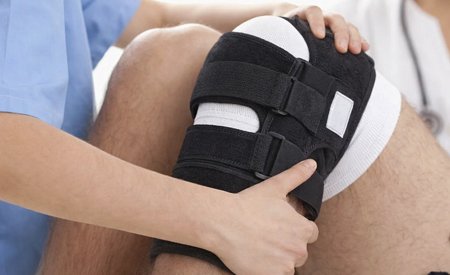
In society, we constantly depend on the opinions of others, who can often be harsh toward illnesses. Assistive devices, such as a cane or orthosis, may make patients feel embarrassed and avoid using them, even though they are a simple and effective way to unload the knee by up to 30%. They are especially useful during flare-ups or long walks.
Orthoses not only unload the limb but also stabilize the joint and control unwanted movements. They are devices that require proper selection and adjustment by a traumatologist at the Rudenko Medical Center. This ensures that the device functions correctly, does not harm the knee, and is safe for patients. Therefore, we use several types of orthoses depending on the stage of knee osteoarthritis and accompanying changes – from soft supportive to specialized unloading models.
Treatment methods that really work
The approach to treating osteoarthritis at the Rudenko Medical Center is always comprehensive and aligned with modern trends in scientific traumatology communities.
- Reducing inflammation
The basis of any degenerative process in the joints is inflammation. Accordingly, the first component of therapy for a patient with knee osteoarthritis is anti-inflammatory medication. These medications are selected individually, taking into account gastrointestinal conditions.
- Effective pain relief
No treatment will be fully effective if the patient’s day is overshadowed by pain. Pain relief can be achieved through medications or intra-articular injections.
- Intra-articular injection techniques
One of the most effective methods used by traumatologists worldwide. Injecting medications directly into the joint ensures rapid delivery to the site of osteoarthritis. The procedure is performed strictly under aseptic and antiseptic conditions, often under ultrasound guidance for maximum accuracy.
- Therapeutic exercise
Daily physical activity is key to joint stability and support. It strengthens thigh and calf muscles – the main support for the knee. Patients who exercise regularly report less pain and fewer flare-ups.
At the Rudenko Medical Center, a rehabilitation physician teaches patients to understand their bodies, use proper techniques for therapeutic exercise, and develops individualized rehabilitation programs.
Why is regular follow-up with a traumatologist important?
Osteoarthritis is a process that changes over time. Regular check-ups allow monitoring of joint condition, adjustment of treatment, timely modification of therapy, and early response to flare-ups or deterioration. The Rudenko Medical Center recommends routine consultations every 6–12 months, or sooner if new symptoms appear.
Don’t postpone self-care – schedule a consultation at the Rudenko Medical Center today