
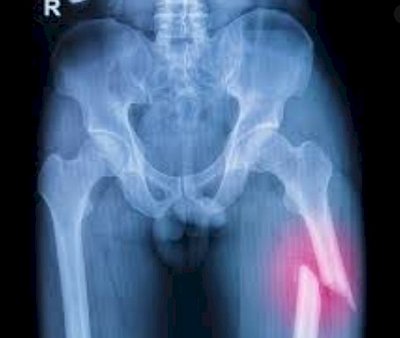
Displaced fractures are not always just a phrase from medical TV series or a phrase from the evening news. Sometimes, such a nuisance can happen to anyone. A displaced bone fracture is a serious injury, which means:
- violation of the integrity of the bone,
- its fragments are displaced relative to each other,
- the anatomical configuration of the injured area is disturbed.
The main task of treatment will be to restore the anatomical axes of the bones and maintain them in a stable position in order to promote the effective process of consolidation (union) of the fracture, which is possible only with the use of osteometallosynthesis.
Rudenko Medical Center has many years of experience in surgical treatment of displaced fractures using metal fixation.
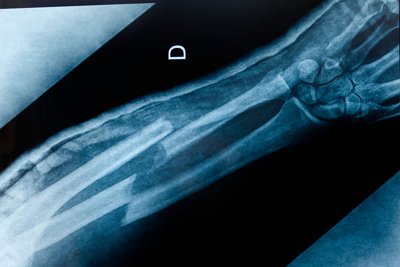
Osteometal synthesis:
- Prevents re-traumatization
- Prevents secondary displacement of fragments
- Allows early activation of the patient, which prevents osteoporosis
- Stabilizes bone fragments in a single position
- Promotes progression of fracture union
- Promotes effective rehabilitation measures
- Makes it possible not to lose bone length and in some cases to "grow" the necessary fragment
Why do displaced bone fractures occur?
The main reasons include:
- mine-explosive injuries, shrapnel and gunshot wounds
- high-energy injuries (road accidents, catatrauma, partial amputations due to domestic injuries, or at production sites)
- pathological processes, against the background of which a local change in the physiological bone structure occurs, which becomes the cause of the fracture (tumors and tumor-like processes, infectious diseases of the bones)
- physiological or pathological decrease in bone density (osteoporosis)
Diagnosing displaced bone fractures is usually not difficult.
Such signs during physical examination of the patient as:
- limb deformity
- swelling, hematomas
- severe pain
- sensation of crunching bone fragments upon palpation
These symptoms will accurately indicate to the orthopedic traumatologist the presence of a bone fracture, and auxiliary diagnostic imaging methods, such as radiography and computed tomography, will allow you to assess the volume and type of impact, the displacement of bone fragments, and plan the most effective treatment in each clinical situation.
The types of displacement of fragments relative to each other are distinguished:
- by width of the bone diameter
- by length
- angular displacement
- helical displacement
- combined
The main method of choice for treating comminuted bone fractures with displacement remains osteometallosynthesis - a surgical intervention aimed at fixing the fragments of a broken bone using metal devices: plates, screws, rods, intramedullary structures, etc. The Rudenko Medical Center in Zaporizhia has been successfully using osteometallosynthesis in its practice for many years and enjoys a high level of trust among patients with a wide variety of clinical cases.
Depending on the type of displacement of bone fragments, the plane of displaced fragments, and their number, the orthopedic traumatologist of the Rudenko Medical Center selects together with the patient the most optimal type of metal structure, which will allow you to forget about the injury and return to your usual lifestyle as soon as possible.
Types of osteometallosynthesis:
- Intramedullary, or intraosseous – is based on the use of rods that are inserted into the bone canal and fixed in the bone using locking screws. The method has proven itself as the most effective choice for the treatment of bone fractures with a small area of ????the bone fracture and displacement of the fragments in width
- On-bone osteosynthesis – involves the use of various types of plates, screws, which work most productively in bone fractures with a significant area of ????the fracture, large diastasis between the fragments, the presence of multi-fragment fractures.
- External osteometallosynthesis – is performed using external fixation devices, spoke, rod or spoke-rod, like the Ilizarov apparatus. The device is attached temporarily, for a period of up to several months. This method is indispensable for complex fractures that require long-term supervision, control of healing and timely monitoring of possible complications.
Although the treatment of displaced fractures is physically and emotionally exhausting, timely surgical treatment and a comprehensive approach to rehabilitation allow patients to quickly return to normal life, without any complications.
How is recovery after osteometallosynthesis of displaced fractures?
Rehabilitation measures will initially be aimed at monitoring fracture healing according to control radiographs and dosing physical activity accordingly.
The following will definitely be included:
- Immobilization devices – Scotchcast splints, tutors and orthoses, modern, comfortable without any hint of heavy plaster constructions
- Effective pain relief and support of bone mineralization – all drugs recommended by the doctor must be taken in the correct dosage and in full according to the prescription
- Physiotherapy procedures, such as electromyostimulation or magnetotherapy
- Massage – to help muscles regain tone and remember physical activity before the injury
- Physiotherapy – to gradually return muscles and joints to their usual range of motion and prevent contractures
Treatment of displaced fractures is long and exhausting, requiring physical endurance and emotional stability. But with the professional and caring team of our center, you will walk this path to the goal of being healthy and be able to forget about the injury.
Rudenko Medical Center is always ready to help you. We care about each of our patients and strive to be a support for you even in the most difficult periods.